

Haze Strain: 6 Reasons Why This OG is Still Trending Today

The Haze strain continues to hold its place in the cannabis world thanks to its energizing effects, unmistakable aroma, and deep roots in cannabis history. From early haze genetics developed by the Haze Brothers to modern favorites like Super Silver Haze and Amnesia Haze, this great strain still captures the attention of cannabis growers and the wider cannabis community today.
Key Takeaways
- The Haze strain remains popular due to its energizing, cerebral effects and creative appeal
- Its complex citrus, herbal, and spicy aroma continues to set it apart from many modern strains
- Deep roots in landrace genetics give Haze lasting credibility and influence in cannabis breeding
- A wide variety of Haze offshoots allows users to tailor effects, flavor, and potency
- Despite a long flowering time, Haze is valued by experienced growers for its quality yields
- Cultural impact and competition wins have helped cement Haze as a true cannabis classic
Haze Strain Overview
The Haze strain is a sativa dominant cannabis strain known for its long flowering period, tall plant structure, and highly potent cerebral high. Originating from original haze genetics that trace back to landrace strains, this weed strain became a generic term for several haze varieties now found across the cannabis world, from indoor growers to outdoor cultivation in sunny climates.
Why People Still Love the Haze Strain Today

The haze strain continues to attract attention across generations of cannabis users. Its reputation comes from a mix of effects, flavor, and a known history that still resonates in the modern cannabis community.
1. Energizing and cerebral effects
Many people favor haze for its cerebral high and racy high that feel uplifting and clear headed. As a potent sativa, it often delivers creative effects and an euphoric high without the heavy body feel linked to most indica strains.
2. Distinctive aroma and flavor profile
Haze’s aroma stands out for its complex aromas that blend citrus fruits, spice, and herbal notes. Varieties like Super Lemon Haze, Strawberry Haze, and Mango Haze are known for intense aroma, spicy aroma, and hints of lemon skunk that set them apart from other strains.
3. Strong genetic legacy
Haze genetics trace back to original haze and landrace strains, later refined by the Haze Brothers and two brothers working in Santa Cruz, California. Influential lines like Neville's Haze, Jack Herer, and Northern Lights crosses helped cement haze as a cornerstone of modern cannabis strains.
4. Wide range of popular varieties
The cannabis world offers many haze varieties, including Amnesia Haze, Blue Haze, Purple Haze, Cannalope Haze, Gipsy Haze, and Super Silver Haze. This diversity allows users to choose a strain that fits personal taste, THC levels, and desired effects.
5. Proven performance in cultivation
Although haze plants have a long flowering period, experienced cannabis growers value their potent buds and generous yields. With the right flowering time and conditions, haze performs well for indoor growers and outdoor cultivation in sunny climates.
6. Lasting cultural relevance
Haze remains a popular strain thanks to its success at events like the High Times Cannabis Cup and its role in shaping modern seed bank offerings. From the first seed bank releases by Sensi Seeds, Greenhouse Seeds, Sweet Seeds, and Ace Seeds to its influence on pure haze and other strains, haze continues to define what many consider a great strain.
Haze Strain Characteristics
Haze strains share defining traits that make them instantly recognizable within the cannabis community. These characteristics reflect their sativa roots, unique haze genetics, and long standing reputation.
Appearance
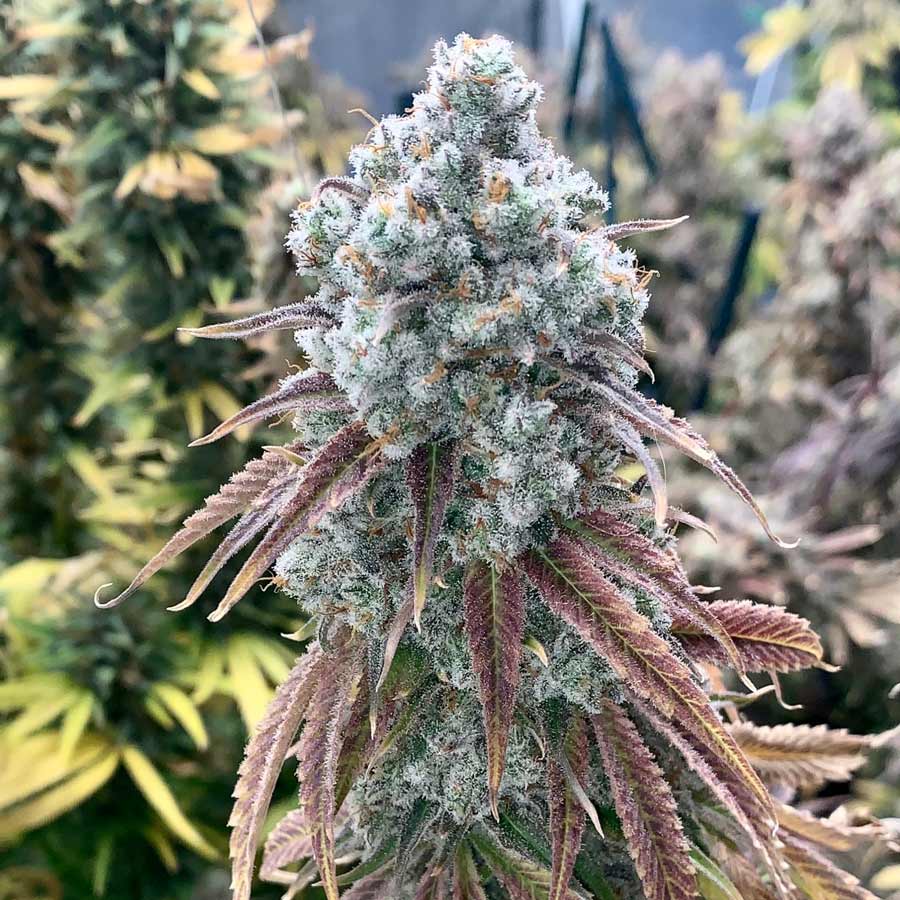
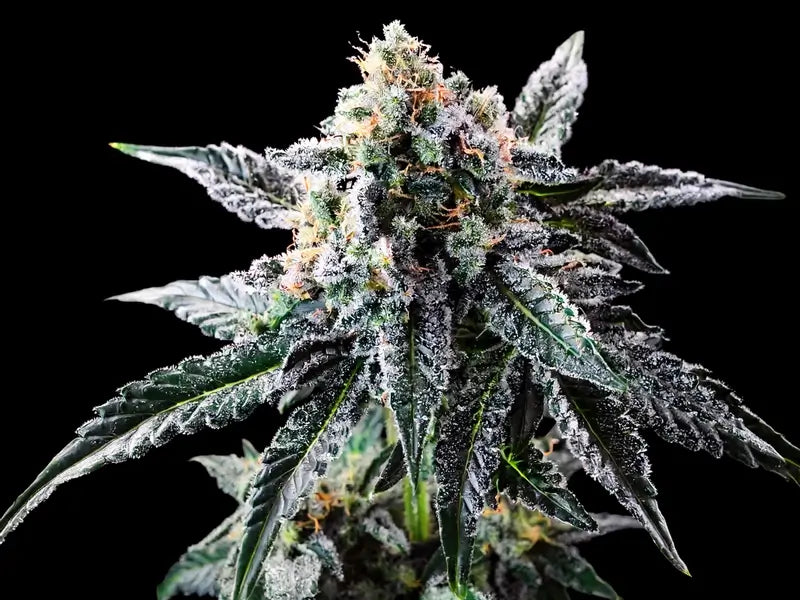
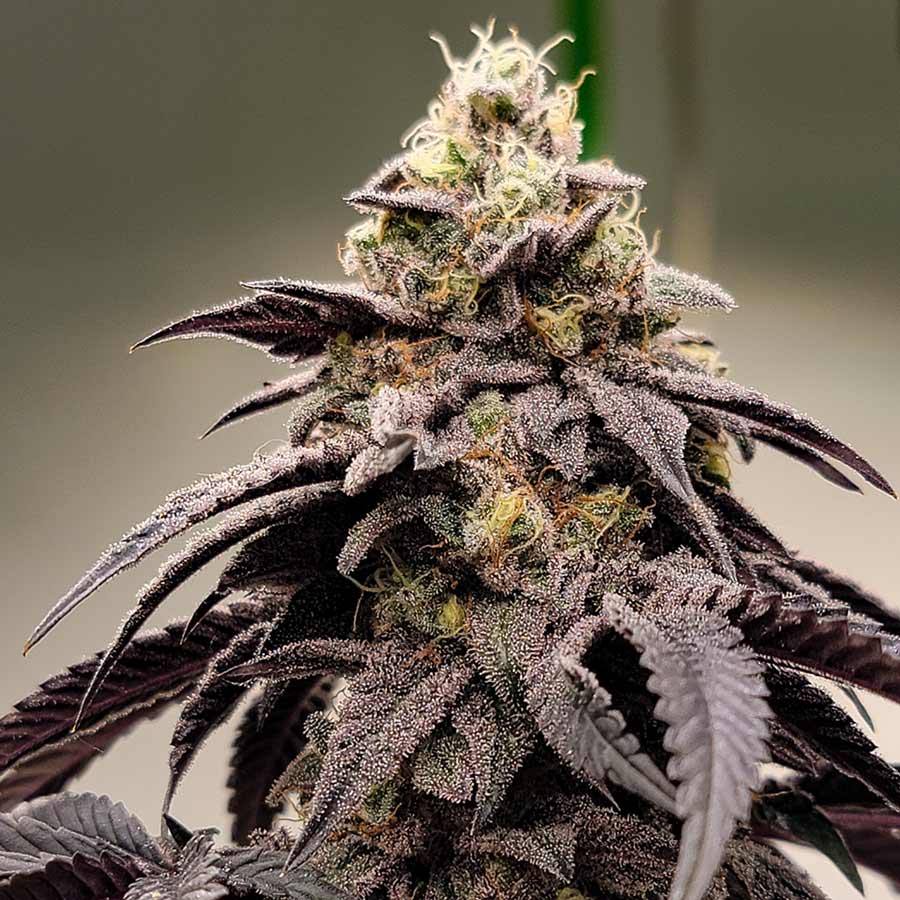
Haze plants typically grow tall with a loose plant structure and long branches, a trait linked to sativa varieties. The buds are airy yet dense with orange hairs, visible trichomes, and shades of light green that sometimes lean toward gold or lime. Many haze varieties develop elongated flowers during the flowering period, especially in outdoor cultivation.
Terpene List
Common terpenes found in haze strains include:
- Limonene
- Terpinolene
- Myrcene
- Caryophyllene
- Pinene
Aroma and Flavor Profile
Haze’s aroma is often described as bright and layered, combining citrus fruits with herbal and spicy aroma notes. Many strains deliver a sharp, clean scent followed by complex aromas that linger. On the palate, flavors may include lemon, earth, sweet fruit, and subtle spice, giving haze its signature haze’s aroma that differs from most strains.
Key Effects
Typical effects associated with haze include:
- Cerebral high
- Euphoric high
- Creative effects
- Racy high
- Psychedelic effect
Who Should Use the Haze Strain?
The haze strain appeals to people looking for an uplifting and mentally engaging cannabis experience. Its effects and growth traits make it better suited for certain preferences and lifestyles.
- Those who enjoy a potent sativa with a cerebral high and creative effects
- Users seeking an euphoric high without heavy body sedation
- Fans of complex aromas featuring citrus fruits and spicy aroma notes
- Cannabis enthusiasts interested in strains with a known history and classic haze genetics
- Cannabis growers with experience handling long flowering time and tall plant structure
- Outdoor cultivation growers in sunny climates and indoor growers with ample vertical space
Haze Strain Cultivation Tips
Growing haze successfully requires patience and proper planning. Its classic genetics reward growers who understand its structure, timing, and environmental needs.
- Flowering time: Expect a long flowering period, often extending beyond most strains, so plan harvest schedules carefully.
- Light management: Strong and consistent lighting supports vigorous growth, especially for indoor growers managing tall haze plants.
- Space control: The plant structure stretches significantly, making training techniques like topping and low stress training well suited.
- Climate preference: Outdoor cultivation performs best in sunny climates with stable temperatures and low humidity.
- Nutrient balance: Moderate feeding works best, as haze responds poorly to overfeeding during flowering time.
- Airflow and support: Good airflow helps protect potent buds, while staking supports long branches as flowers develop.
- Seed selection: Choose reliable cannabis seeds from a reputable seed bank such as Sensi Seeds, Greenhouse Seeds, Sweet Seeds, or Ace Seeds to ensure stable haze genetics.
Final Thoughts

The haze strain remains a timeless favorite because it delivers energy, flavor, and a known history that still resonates today. Its influence across cannabis strains and cultivation practices proves why this OG continues to thrive.
For those ready to experience it firsthand, learning quality haze cannabis seeds from a trusted seed bank offers a natural next step into this iconic strain’s legacy.
Frequently Asked Questions
Is the haze strain well suited for beginners?
Haze is better suited for experienced users due to its highly potent cerebral effects and racy high, which can feel intense for those new to cannabis.
Does haze have higher THC levels than most strains?
Many haze varieties are known for enhanced THC levels, though exact potency varies by strain, growing conditions, and seed bank genetics.
How long does haze typically take to flower outdoors?
In outdoor cultivation, haze often requires a longer flowering time that can extend into late autumn, especially in regions outside sunny climates.
Are haze strains intended exclusively for daytime use?
While often used during the day for its energizing effects, haze can also suit social or creative settings regardless of time when used in moderate amounts.
What makes haze different from other sativa varieties?
Haze stands apart due to its unique haze’s aroma, complex genetic background, and tendency to produce a psychedelic effect alongside a clear cerebral high.
Is haze a single strain or a generic term?
Haze started as an original haze strain but later became a generic term used to describe multiple haze varieties derived from shared haze genetics.
