

Growing
Weed Deals: Where to Get Free Seeds?
by Balanetra Ananda on Dec 19, 2025
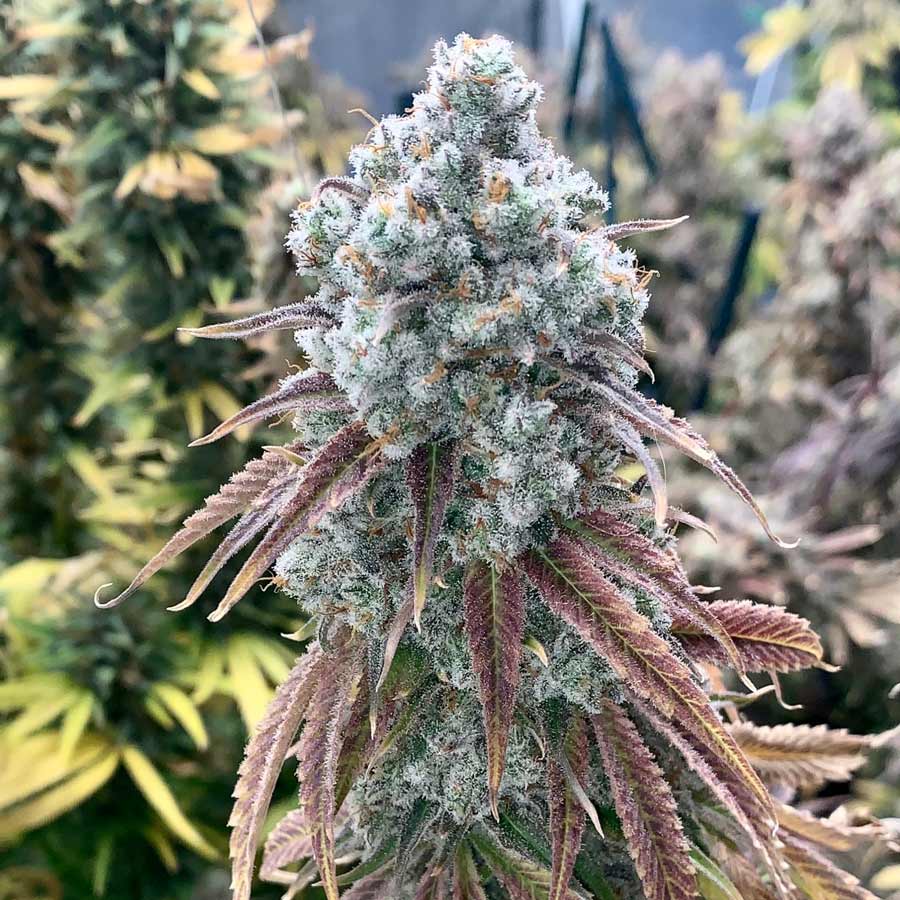
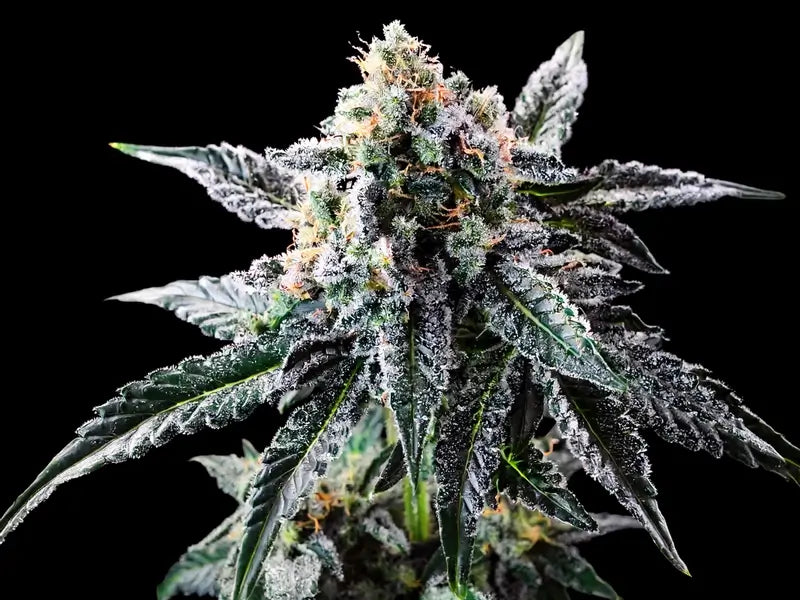
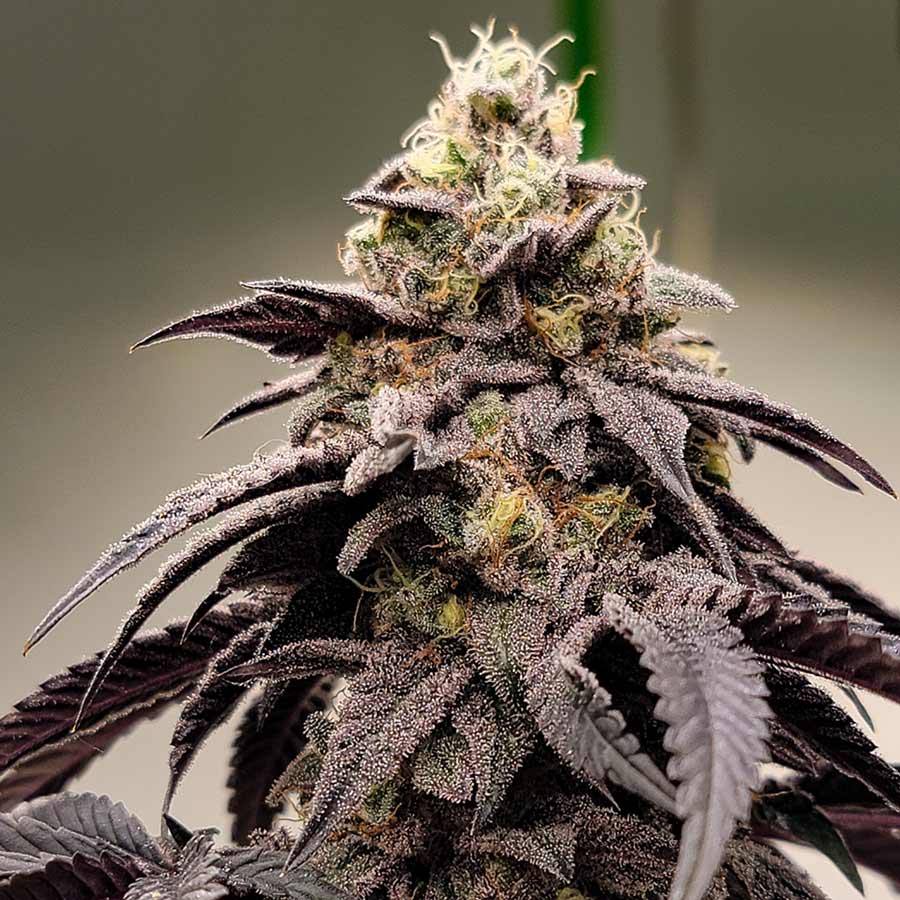
Growing marijuana does not have to start with paying top dollar for seeds. Many growers find free seeds through promotions, community exchanges, or bonus seed packet offers tied to weed deals. With the right timing and awareness, a garden can begin with quality genetics and very little money spent.
Key Takeaways
Free cannabis seeds are widely available through promotions, community sharing, and seasonal weed deals
Reputable seed banks and breeders often include bonus seeds to introduce growers to new genetics
Grower communities and local events remain valuable sources for finding and exchanging seeds
With proper selection and care, free seeds can perform just as well as purchased options
Timing, participation, and awareness play a key role in securing quality free seeds
Are Free Seeds Good for Cultivation?
Free marijuana seeds can be good for cultivation when they come from reputable sources and receive proper care. Many growers successfully produce healthy plants from free seeds included in promotions or shared within the community, especially when the genetics suit the climate and growing conditions.
Quality still varies, so careful selection and good growing practices remain important.
Where to Get Free Cannabis Seeds?
Finding free cannabis seeds usually comes down to timing, connections, and knowing where growers already gather. The most reliable options tend to reward loyalty, community involvement, or seasonal demand.
Seed Bank Promotions and Bonus Packs
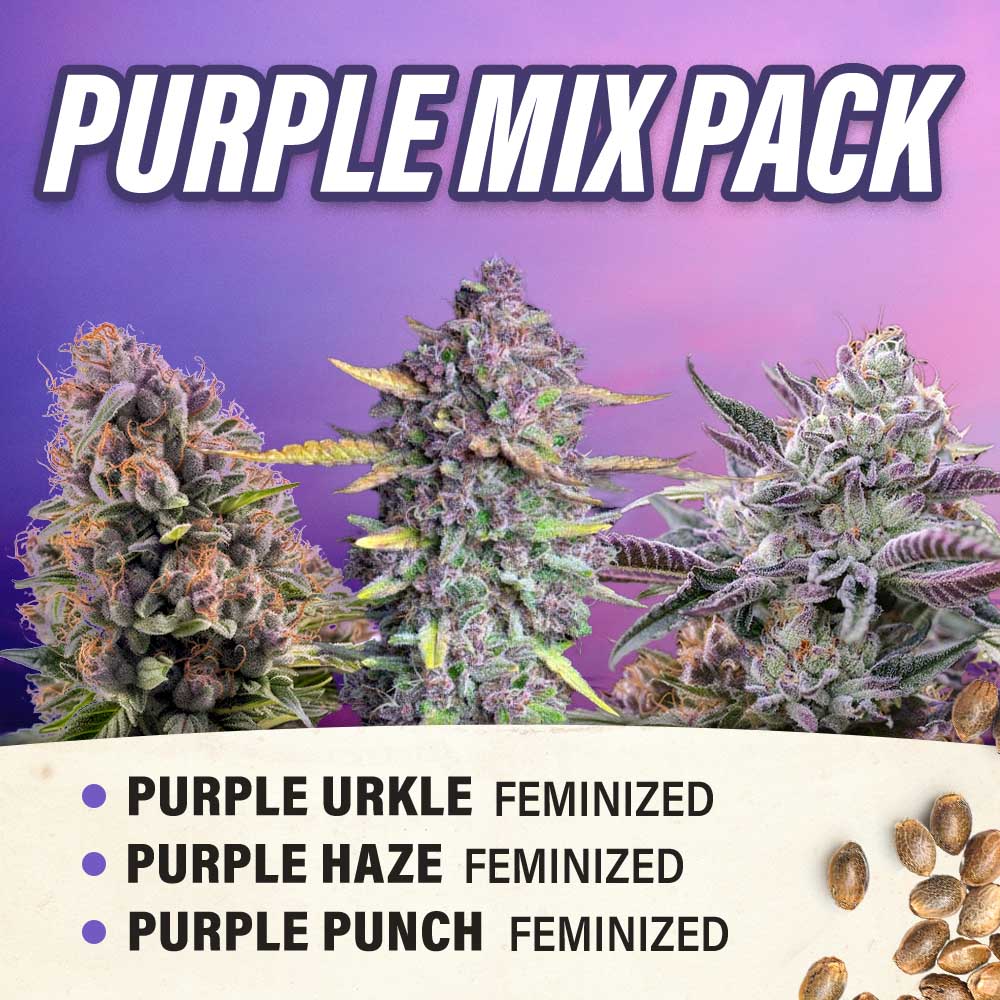
Well-known seed banks often include free marijuana seeds with paid orders, especially during spring sales or holiday events. These promotions usually add a small seed packet of feminized or regular seeds to an order. Reputable sellers focus on non-GMO genetics and often mix different varieties to showcase their strains.
Dispensary and Grow Shop Deals
Some local dispensaries and grow shops offer free seeds during special events, grand openings, or product launches. In Canada, these promotions appear more frequently due to clearer regulations. Availability depends on local laws, so growers should always follow USDA and regional rules tied to plant materials and cultivation.
Breeder Testing Programs
Cannabis breeders sometimes give away free seeds to experienced growers who agree to test new strains. These programs help breeders evaluate traits like vigor, warm weather tolerance, or winter-hardy potential. Participants often receive enough seeds to grow and report results related to yield, flavor, and good eating quality for medicinal use.
Grower Forums and Online Communities
Online cannabis communities remain one of the most popular resources for free seeds. Community members regularly donate extra packets, trade genetics, or share a free seed list. Active participation and following request instructions usually increases the chances of receiving seeds from other growers.
Local Seed Swaps and Community Events
In legal areas, local garden events sometimes include cannabis seed swaps alongside vegetables, herbs, and flowers. These gatherings focus on genetic diversity, preservation, and self-reliance. Home gardeners often share a handful of seeds they saved from previous crops to help others grow without paying extra money.
Tips for Using Free Weed Seeds
Free weed seeds can perform just as well as paid genetics when handled correctly. A few proven practices help growers turn bonus seeds into healthy, productive plants.
Inspect the seeds: Check for mature color, intact shells, and firm texture before planting to avoid weak seedlings.
Start small: Germinate a small seed batch first to test viability before committing soil, space, and time.
Match strain to climate: Choose seeds suited for warm weather or cooler regions to improve growth and resilience.
Use quality soil: Organic, well-aerated soil supports strong roots and reduces early stress on young plants.
Label everything: Track different varieties carefully since free seeds often arrive as mixed genetics.
Control nutrients early: Feed lightly during early growth since young plants react poorly to excess nutrients.
Watch for sex traits: Monitor closely for male plants when growing regular seeds to protect the final harvest.
Save successful genetics: Preserve seeds from healthy plants to build long term self-reliance and consistency.
Final Thoughts
Free marijuana seeds offer a practical way to grow quality plants without overspending, especially when growers stay informed and selective. Keep an eye on seasonal offers and community exchanges, and browse current weed deals to find seed promotions that fit long term growing goals.
Frequently Asked Questions
Are free cannabis seeds legal to receive?
Legality depends on local and national laws. Some regions allow possession of seeds but restrict germination, while others permit home cultivation under specific limits. Always check current local regulations before planting.
Do free marijuana seeds have lower germination rates?
Germination rates vary by age, storage, and handling rather than price. Proper storage in a cool, dry place helps free seeds sprout as reliably as purchased ones.
Can free seeds include feminized or autoflower strains?
Yes, many promotions and community exchanges include feminized or autoflower seeds. These options appeal to home gardeners who want faster cycles or fewer plants to manage.
How should free cannabis seeds be stored long term?
Store seeds in airtight containers away from light and moisture. Consistent temperature helps preserve genetic diversity and supports future planting success.
Do free seeds come with growing instructions?
Some seed packets include basic instructions, but many do not. Growers often rely on trusted garden resources and shared knowledge from other growers to fill the gaps.
Can free seeds help home gardeners grow their own food and save money?
Free seeds reduce paying upfront costs and help home gardeners focus resources on soil, garden space, and healthy seedlings. Many growers use free cannabis seeds alongside vegetables, herbs, and fruits to support self-reliance and better control over what they consume.
Do seed libraries or local libraries offer marijuana seeds?
Some seed library programs and local library initiatives focus on general plant materials like flowers, herbs, grains, and vegetables. Cannabis seeds may appear only in legal areas through private community members rather than public resources.
Are free cannabis seeds usually non-GMO and organic?
Most free cannabis seeds shared by growers or breeders are non-GMO and often grown using organic methods. These seeds usually come from preserved species selected for genetic diversity, healthy growth, and good eating quality in edible crops grown nearby.
How many seeds are typically included in a free seed packet?
A free seed packet may contain a small seed mix or just a handful of seeds. Some promotions include enough seeds to fill requests for personal gardens, while others offer limited packets meant for testing or preservation.
Can growers request specific strains or varieties?
Some programs allow growers to request seeds by strain, while others send mixed packets with different varieties. Clear request instructions and active participation increase the chances of receiving seeds that match climate, warm weather needs, or winter hardy traits.
Is saving seeds from free cannabis plants encouraged?
Saving seeds supports preservation, long term self-reliance, and community sharing. Gardeners who successfully grow cannabis often donate extra packets back to other growers, helping create a local seed list and strengthen shared resources.


